Harvard Forest image
Home

Research
Major Research Topics
Site and Facilities
Researcher Profiles
Conducting Research
Funding

Information Resources
Data archive
New England Center of Ecological Synthesis

Publications

Professional and Education Opportunities
Undergraduate and Graduate Education
Mid-Career and Post Graduate
K thru 12
Employment

Staff and Contacts

Site Map and Search


Visit our Museum and Trails Directions
FAQ
Intranet

Wildlands and Woodlands
Northeastern Ecological Observatory (NEEON)
2008 Seminar Schedule
Previous Highlights

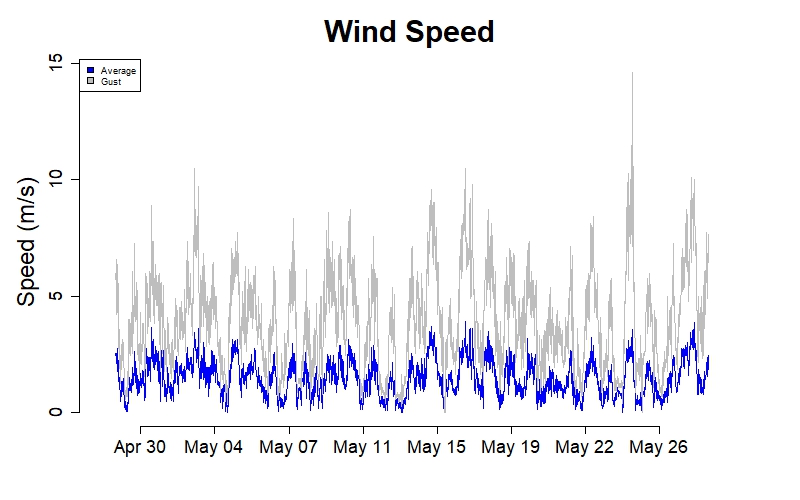
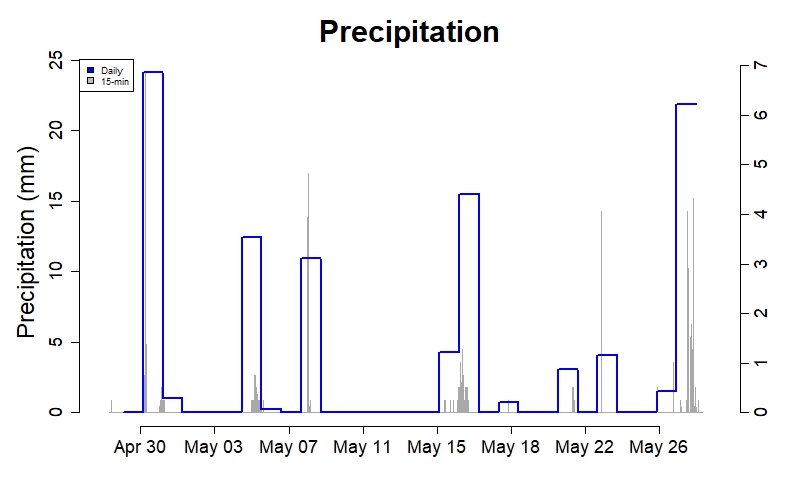
Current Weather

71oF, 22oC at 6:15pm

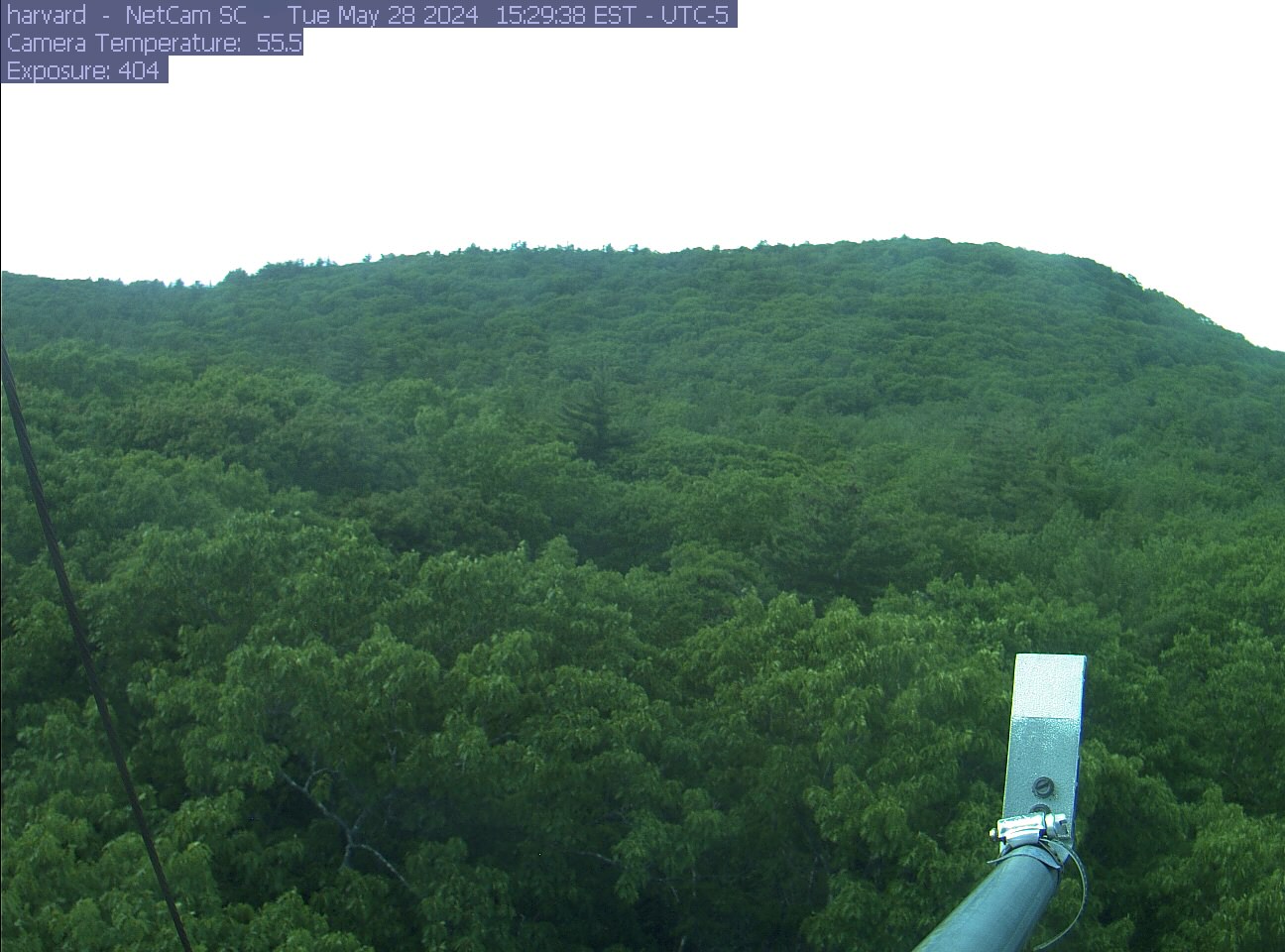
Prospect Hill Canopy Webcam


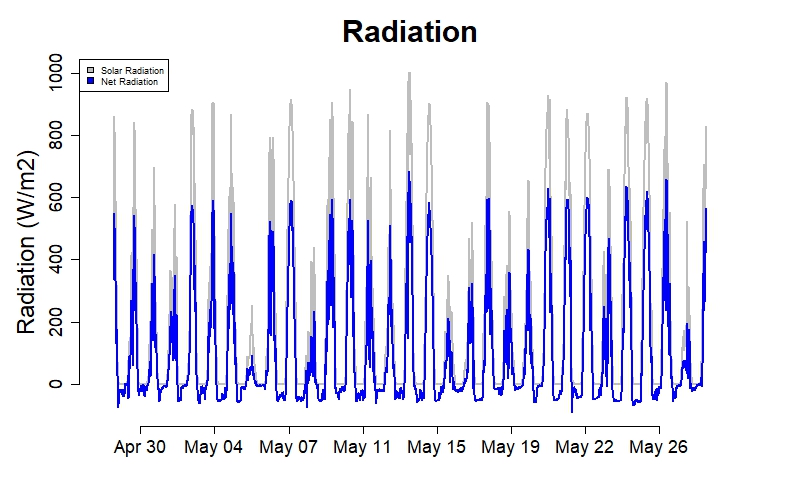
Solar energy output

Research and Education in Ecology, Conservation and Forest Biology

August Highlights

Kristina Stinson

Scientist featured in Science Magazine

Harvard Forest Scientist Kristina Stinson recently talked with Science Magazine about her career path and her work on invasive plants at Harvard Forest. The profile was part of journalist Elisabeth Pain's series on forest ecology. Read the entire article

Climate Change: a Retrospective Look

The National Science Foundation has awarded $465,000 for a collaborative research project involving scientists from Harvard Forest, Emerson College, Brown University, and the University of Wyoming. The research will explore the potential for abrupt shifts in species abundances and assemblages to result from interactions between gradual, long-term changes in climate and episodic drought, fire, or human activities. The retrospective project involves the use of complementary approaches to reconstruct past climate-ecosystem dynamics. High-resolution analyses of lake-sediment records from southern New England will reveal past changes in climate, vegetation, and disturbance for the past 15,000 years, thus improving our knowledge of the mechanisms by which climate change interacts with environmental extremes and disturbance to control the pace and patterns of ecological change.
Harvard Forest on the Radio

Research by Harvard Forest Senior Ecologist Aaron Ellison on pitcher plants and nitrogen deposition ("acid rain") was featured on WFCR's weekly "Field Notes" column. Field Notes is produced by Laurie Sanders; WFCR is Western Massachusetts' NPR affiliate station. Listen to the interview.

New Publications

New Book Examines the History of Agriculture, Ecological Change and Conservation across the U.S.

Agrarian Landscapes in Transition cover

The introduction, spread, and abandonment of agriculture represents the most pervasive alteration of the earth's environment in recorded history. This new volume edited by Charles Redman from Arizona State University and David Foster from Harvard Forest, draws on research at six U.S. Long-Term Ecological Research sites, to describe what happens when humans alter natural ecological regimes through agricultural practices. Although each research site has its own unique agricultural history, patterns emerge that help us understand the impact of our actions on the earth, and how the earth pushes back.

"The synthesis that emerges is a powerful example of the insights that come from interdisciplinary networks of scientists who share a long-term view. This is a compelling example of the value of long-term research in which scientists from disparate backgrounds come to brilliant insights through intellectual networks that develop over many years of shared work."

-STEPHEN R. CARPENTER, Stephen Alfred Forbes Professor, Center for Limnology, University of Wisconsin-Madison

Learn more and/or purchase the book.

Structural Comparisons Among Old Growth and Second Growth Hemlock Forests

Old-growth forests are valuable sources of ecological, conservation, and management information, yet these ecosystems have received little study in New England, due in large part to their regional scarcity. To increase our understanding of the structures and processes common in these rare forests, former REU (2000) and Ph.D. student (2007) Tony D'Amato along with HF ecologists David Orwig and David Foster studied the abundance of downed coarse woody debris (CWD) and snags and live-tree size-class distributions in 16 old-growth hemlock forests in western Massachusetts. Old-growth stands were compared with eight adjacent second growth hemlock forests to gain a better understanding of the structural differences between these two classes of forests resulting from contrasting histories. The variation in structural attributes among old growth stands, particularly the abundance of downed CWD, was closely related to disturbance history. In particular, old-growth stands experiencing moderate levels of canopy disturbance during the last century (1930s and 1980s) had greater accumulations of CWD, highlighting the importance of gap-scale disturbances in shaping the long-term development and structural characteristics of old-growth forests. These findings are important for the development of natural disturbance-based silvicultural systems that may be used to restore important forest characteristics lacking in New England second-growth stands by integrating structural legacies of disturbance (e.g., downed CWD) and resultant tree-size distribution patterns. This silvicultural approach would emulate the often episodic nature of CWD recruitment within old-growth forests.

D'Amato, A. W., D. A. Orwig and D. R. Foster. 2008. The Influence of Successional Processes and Disturbance on the Structure of Tsuga Canadensis Forest. Ecological Applications, 18(5), pp. 1182-1199.